Manish Singh
Smoothie Recipes with Frozen Fruit and Yogurt
Whip up thick, creamy, and refreshing drinks with our favorite smoothie recipes featuring frozen fruit and yogurt. Learn the ideal ratios, creative flavor pairings, and prep-ahead tricks for a quick breakfast or snack.
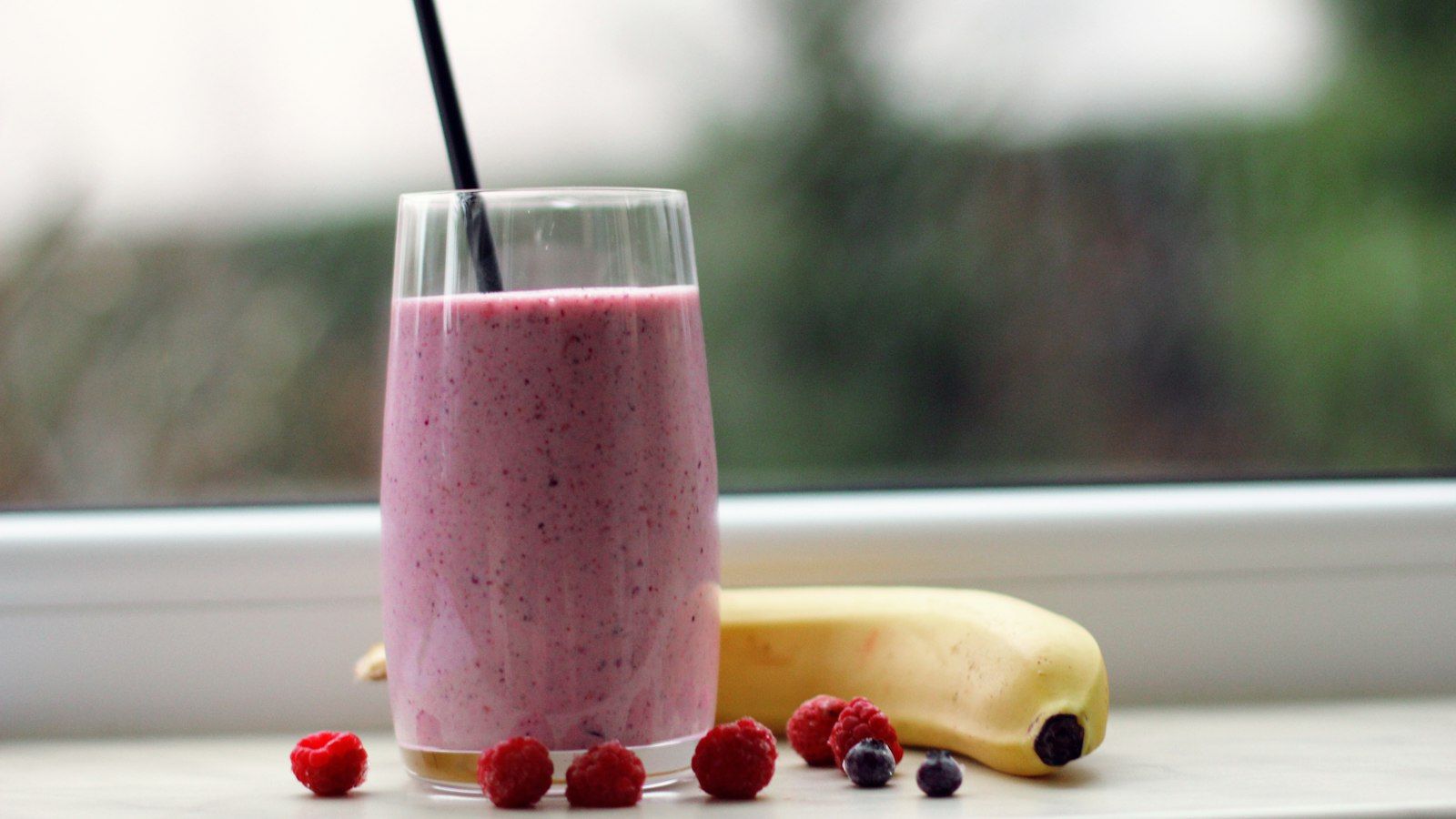
There is nothing quite like starting your morning or refueling in the afternoon with a thick, frosty drink that tastes like a treat yet delivers pure nourishment. Masterful smoothie recipes with frozen fruit and yogurt strike the ultimate balance between rich creaminess and bright, fruity tartness. By relying on frozen fruit instead of plain ice cubes, you avoid watery dilution and achieve that velvety, soft-serve consistency everyone loves. Paired with tangy yogurt, these blended drinks become rich in protein, naturally sweet, and endlessly customizable for busy mornings or post-workout snacks.
Key Takeaways
- Frozen fruit replaces ice: Skipping standard ice cubes ensures full flavor concentration and creates a luscious, thick texture.
- The golden ratio matters: Balancing 1.5 parts frozen fruit to 1 part yogurt and 1 part liquid yields the ideal sippable consistency.
- Layer properly: Place liquids and soft yogurt at the bottom near the blades to keep the blender running smoothly without air pockets.
- Sweeten mindfully: Ripe frozen bananas, dates, or small drizzles of pure honey and maple syrup elevate natural fruit flavors without refined sugar.
- Prep ahead for ease: Freeze pre-portioned fruit packs so you can toss ingredients into the blender in under sixty seconds.
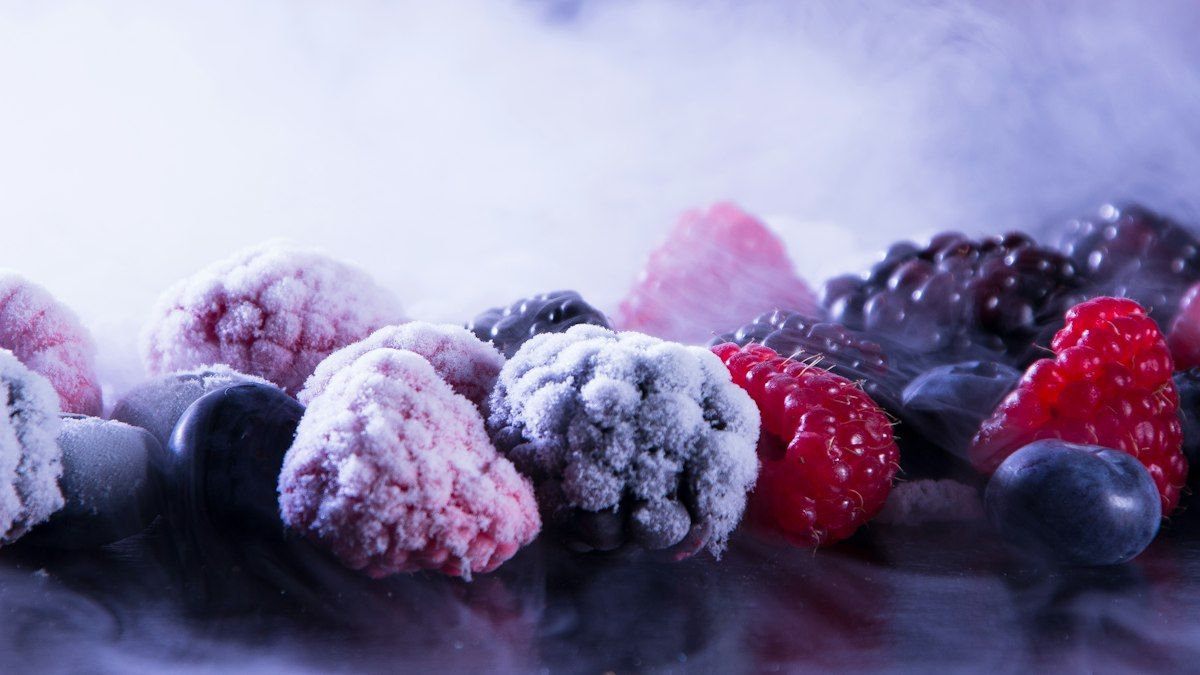
Photo by Devin Rajaram on Unsplash
The Golden Ratio for Fruit and Yogurt Smoothies
Creating a fantastic smoothie does not require guessing or complicated math. A reliable formula guarantees that your beverage is neither too runny nor so dense that it stalls your blender blades. For a single generous serving of roughly 16 oz [475 ml], use this base ratio:
- 1.5 cups [about 225 g to 250 g] frozen fruit (such as mixed berries, peaches, mangoes, or sliced bananas)
- 1/2 cup to 3/4 cup [120 g to 180 g] yogurt (plain, vanilla, whole-milk, or Greek yogurt)
- 1/2 cup to 3/4 cup [120 ml to 180 ml] liquid (dairy milk, unsweetened almond milk, oat milk, or coconut water)
- Optional flavor enhancer: 1 teaspoon to 1 tablespoon [5 ml to 15 ml] honey, pure maple syrup, chia seeds, or nut butter
Adjust the liquid depending on your yogurt choice. Traditional strained Greek yogurt is dense and requires closer to 3/4 cup [180 ml] of liquid, whereas standard stirred yogurt has higher water content and needs less.
4 Delicious Frozen Fruit and Yogurt Smoothie Recipes
Here are four tested, crowd-pleasing combinations that showcase how well different frozen fruits interact with distinct yogurt bases. Each recipe makes one large 16 oz [475 ml] or two smaller 8 oz [240 ml] servings.
1. Classic Triple Berry Swirl
A vibrant, antioxidant-rich blend featuring deep blackberry, raspberry, and blueberry notes balanced by the mellow tang of whole-milk yogurt.
- Ingredients:
- 1.5 cups [225 g] frozen mixed berries
- 1/2 cup [125 g] plain whole-milk yogurt
- 1/2 cup [120 ml] oat milk or dairy milk
- 1 tablespoon [15 ml] pure maple syrup or honey
- 1/2 teaspoon [2.5 ml] pure vanilla extract
- Instructions: Add the milk, yogurt, vanilla, and sweetener to the blender pitcher, then top with the frozen berries. Blend on low for 15 seconds, increase to high, and blend for 45 to 60 seconds until silky smooth.
2. Tropical Sunshine Mango-Pineapple
Bright, sweet, and sunshine-colored, this tropical blend pairs wonderfully with coconut yogurt or traditional Greek yogurt for an island-inspired breakfast.
- Ingredients:
- 1 cup [150 g] frozen mango chunks
- 1/2 cup [75 g] frozen pineapple tidbits
- 1/2 cup [125 g] plain Greek yogurt
- 3/4 cup [180 ml] coconut water or light coconut milk
- 1 teaspoon [5 ml] freshly squeezed lime juice
- Instructions: Pour the coconut water and lime juice into the blender, add the Greek yogurt, and finish with the frozen mango and pineapple. Puree on high speed until completely whipped and golden.
3. Creamy Strawberry Banana Classic
The timeless diner combination elevated with the thickness of frozen fruit and the velvet body of vanilla yogurt.
- Ingredients:
- 1 cup [150 g] frozen whole strawberries
- 1/2 cup [75 g] frozen sliced banana (roughly 1 medium banana)
- 1/2 cup [125 g] vanilla Greek yogurt
- 1/2 cup to 3/4 cup [120 ml to 180 ml] unsweetened almond milk
- 1 tablespoon [10 g] ground flaxseed (optional, for added fiber)
- Instructions: Layer almond milk, vanilla yogurt, ground flaxseed, frozen banana slices, and frozen strawberries into the jar. Blend on high until completely incorporated. If the strawberries are very large, pulse three times first to break them down.
4. Spiced Peach and Ginger Creamsicle
Tasting like a chilled slice of summer peach pie, this recipe pairs the natural sweetness of frozen sliced peaches with a punchy kick of fresh ginger.
- Ingredients:
- 1.5 cups [225 g] frozen sliced peaches
- 1/2 cup [125 g] plain whole-milk Greek yogurt
- 3/4 cup [180 ml] cold milk of choice
- 1/2 teaspoon [1 g] finely grated fresh ginger root
- 1 tablespoon [15 ml] pure maple syrup
- 1 pinch ground cinnamon
- Instructions: Combine milk, yogurt, grated ginger, maple syrup, and cinnamon in the blender. Add the frozen peach slices. Puree thoroughly until frosty, pouring into a chilled glass and dusting lightly with extra cinnamon.
Choosing the Right Yogurt and Fruit Varieties
Your choice of primary ingredients dictates the final body, mouthfeel, and nutrition profile of your smoothie.
Greek Yogurt vs. Regular Yogurt
- Greek Yogurt: Strained to remove liquid whey, Greek yogurt provides a remarkably thick texture and packs nearly double the protein of traditional yogurt. It contributes a pronounced, pleasant tang that cuts through very sweet fruits like ripe bananas and mangoes.
- Regular Traditional Yogurt: Lighter and looser, traditional unstrained yogurt blends effortlessly and creates a drinkable, lighter beverage. It is fantastic if you prefer sipping through a narrow straw.
- Plant-Based Yogurts: Almond-, oat-, and coconut-milk yogurts work seamlessly. Coconut yogurt provides rich natural fats and tropical aromatics, while oat yogurt imparts a mild, cereal-like backdrop.
Selecting and Freezing Fruit
While commercial bags of frozen fruit are affordable and flash-frozen at peak ripeness, you can also freeze your own kitchen leftovers:
- Bananas: Peel before freezing! Slice ripe bananas into coins and spread them on a parchment-lined baking sheet for 2 hours before transferring to an airtight container. Frozen bananas act as the ultimate natural thickener and ice-cream mimic.
- Berries: Rinse, pat completely dry with paper towels, remove stems or hulls, and flash-freeze in a single layer so they do not freeze into a solid, unmanageable boulder.
- Stone Fruits and Melons: Pit, peel, and chop peaches, nectarines, or melons into 1-inch [2.5 cm] bite-sized pieces for effortless blending.
Blender Layering and Blending Technique
How you stack ingredients inside your blender pitcher determines whether you get a smooth vortex or a motor that overheats.
- Liquids first: Always pour in your milk, juice, or coconut water first. Liquid gives the blades the fluid contact required to generate a moving current.
- Soft bases second: Add your yogurt, honey, nut butters, and seeds next.
- Greens and powders third: If adding fresh spinach or protein powder, submerge them mid-pitcher so they incorporate without sticking to the dry walls.
- Frozen fruit last: Place heavy, hard frozen items at the top. Their weight naturally pushes the ingredients down toward the spinning blades once the motor turns on.
Start your blender on low speed to pull the frozen fruit downward, then ramp up to high speed for 45 to 60 seconds. If an air pocket forms—often called cavitation—stop the machine, stir the mixture with a long silicone spatula, and resume blending.
Common Mistakes to Avoid
- Adding standard ice cubes: Using ice waters down the authentic fruit flavors and results in a slushy, separating texture rather than a creamy emulsion. Keep the coldness strictly in the fruit.
- Overloading on sweeteners too early: Fruit naturally concentrates in sweetness as it ripens before freezing. Blend your smoothie first, taste it with a clean spoon, and add honey or syrup only if needed.
- Skimping on liquid: If your blender is screaming or smelling warm, do not force it. Add liquid 2 tablespoons [30 ml] at a time through the lid opening until the vortex returns.
- Using unripe fruit: Freezing will not fix unripe, astringent fruit. Only freeze produce that is aromatic, tender, and fully ripe.
Storage, Make-Ahead, and Meal-Prep Tips
Freshly blended smoothies taste best within 10 minutes of blending, but you can streamline your routine with these smart meal-prep strategies:
- Freezer Smoothie Packs: Measure your frozen fruits, seeds, and spices into reusable silicone bags and store in the freezer for up to 3 months. In the morning, dump the contents into the blender, add fresh yogurt and milk, and blend.
- Short-Term Refrigeration: If you have leftovers, pour the smoothie into an insulated stainless steel tumbler or glass mason jar with an airtight lid. Store in the refrigerator for up to 24 hours. The fruit solids and liquid may naturally separate; simply give the jar a vigorous shake before drinking.
- Smoothie Popsicles: Pour extra smoothie into silicone ice-pop molds and freeze for at least 4 hours. They make fantastic, wholesome frozen snacks for warm afternoons.
FAQs
Can I use fresh fruit instead of frozen fruit?
Yes, you can use fresh fruit, but the finished texture will be considerably thinner and warmer. To mimic the creamy, icy texture of frozen fruit without diluting the flavor, freeze your fresh fruit on a tray for at least two hours before blending, or replace some of the liquid with frozen yogurt cubes.
Why is my smoothie too thick or not blending?
A blender usually stalls because there is not enough liquid at the base to create a spinning vortex, or the frozen fruit pieces are wedged together. Stop the motor, use a spatula to loosen any stuck pieces around the blades, add 2 to 4 tablespoons [30 to 60 ml] of liquid, and start blending on low before increasing the speed.
How can I make these smoothies sweeter without refined sugar?
The best way to add natural sweetness is with very ripe frozen bananas, which add both sugar and velvety body. Alternatively, you can drop in one pitted Medjool date, a tablespoon [15 ml] of pure maple syrup, raw honey, or a splash of unsweetened 100% apple or white grape juice.
How long can I store leftover smoothies in the fridge?
A blended fruit and yogurt smoothie keeps well in an airtight glass jar in the refrigerator for up to 24 hours. Some natural separation or mild oxidation is normal; simply stir or shake the container thoroughly before serving to restore its smooth consistency.
Want a custom recipe for any dish?
Try our AI Recipe GeneratorLatest Articles
- Easy Cabbage Soup Recipe for Weight LossWarm up with this comforting, vegetable-packed cabbage soup designed to support healthy, balanced eating without sacrificing flavor. Ready in under an hour, it is hearty, nutritious, and ideal for weekly meal prep.
- Easy Crockpot Pork Chops and Gravy RecipeTender, fall-apart pork chops slow-cooked in a rich, savory gravy. This effortless slow cooker dinner requires just minutes of prep and delivers classic comfort food the entire family will love.
- Quick Vegetarian Lunch Ideas: 15-Minute Easy MealsStuck in a midday meal rut? These quick vegetarian lunch ideas come together in 15 minutes or less using simple pantry staples and vibrant fresh produce. Discover satisfying, balanced recipes designed for busy workdays.
Reader Insights
0 Discussions Joined
Be the first to start the conversation